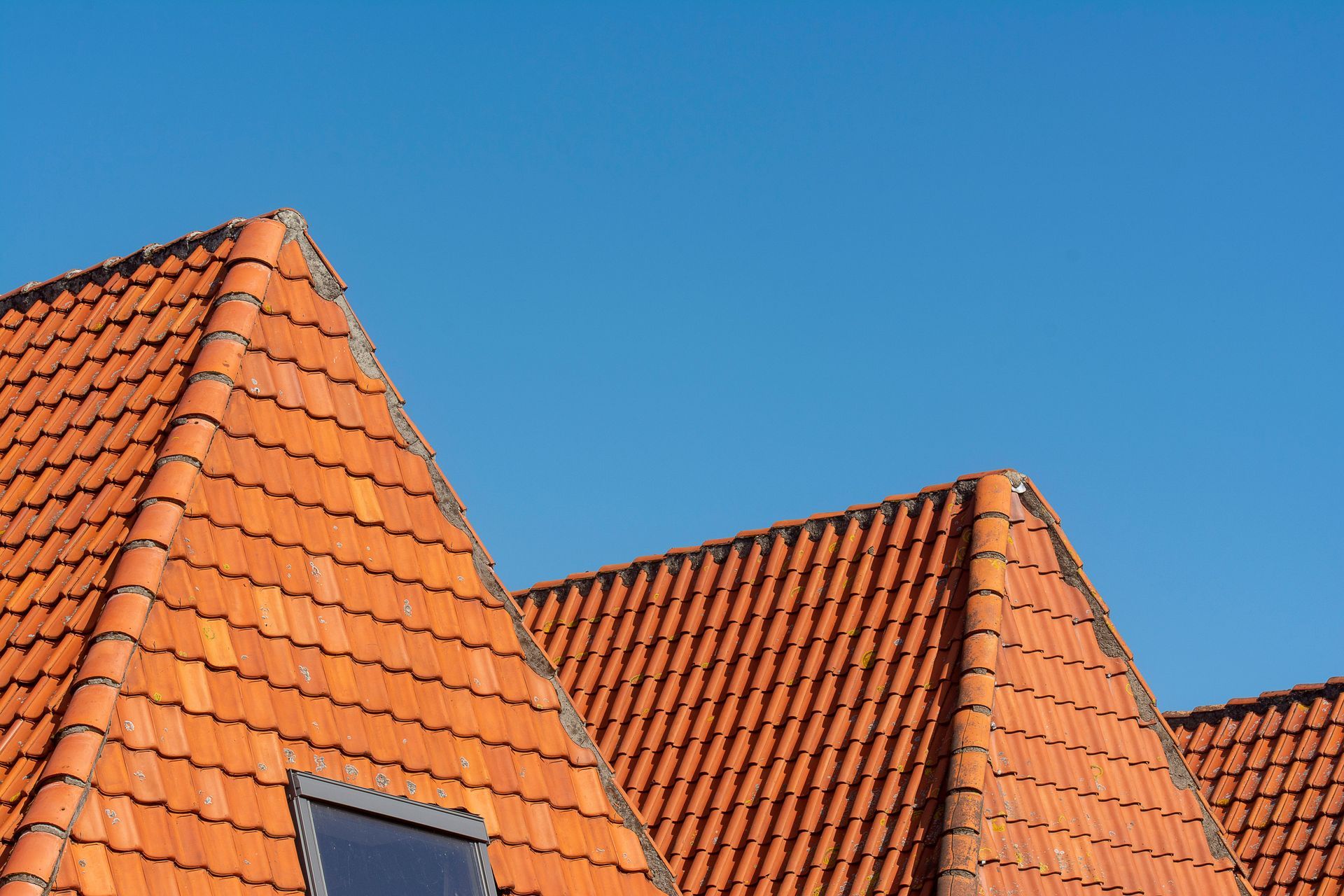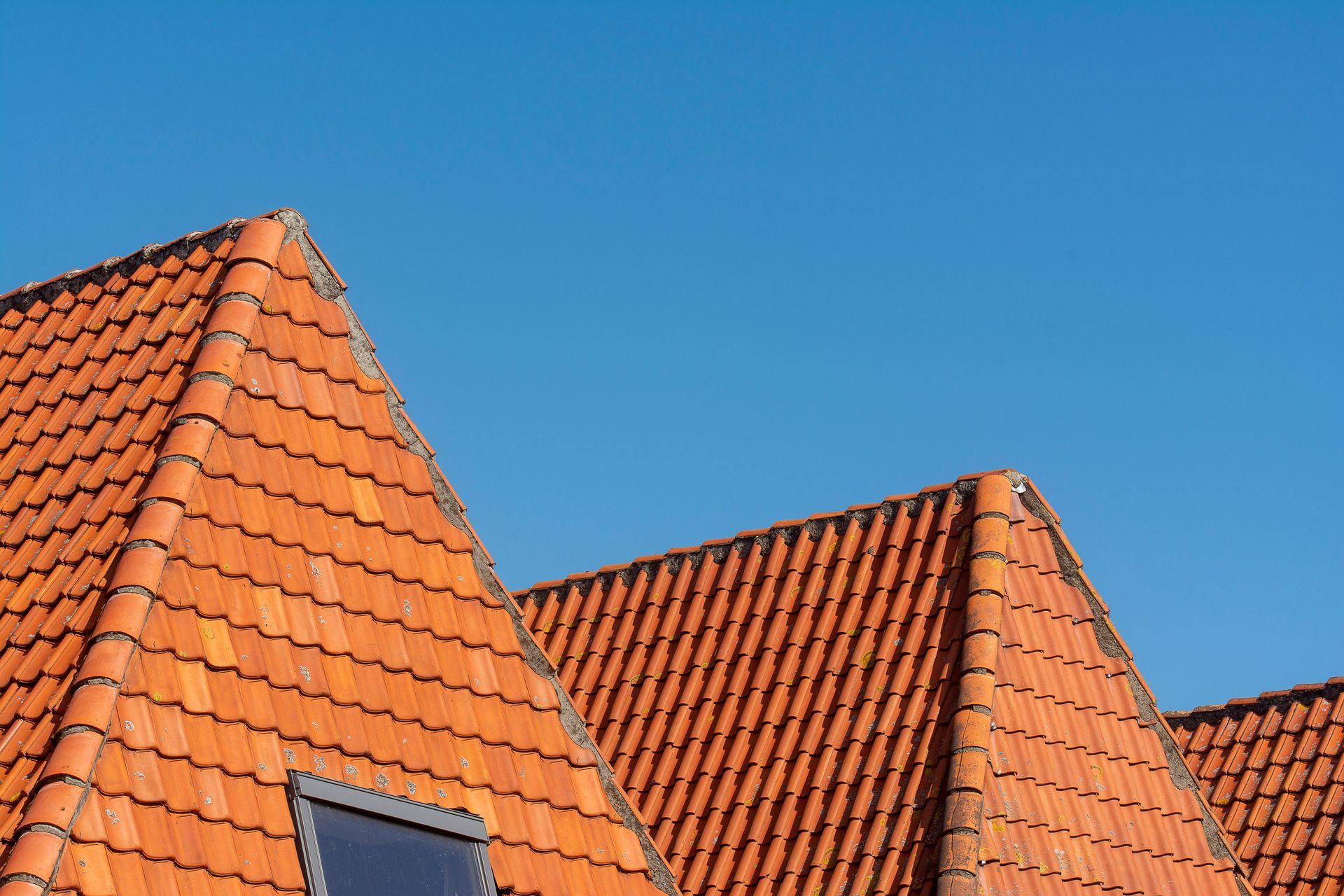
Ridge Tiles, Hips and Mortar on West London Period Roofs
You probably never look at the very top line of your roof, but those ridge tiles are doing a quiet, important job up there. On an older West London home, the ridge and hips are where a lot of small problems start.
If your roof has been around for a century or so, the mortar holding those tiles has been through a lot. Knowing what's going on along the top helps you protect the rest of the roof below it.
The quick answer: Ridge and hip tiles cap the joints at the top and edges of your roof, and they're bedded on mortar that ages and cracks. A careful clean clears the moss that hides problems, and it's the moment to spot loose tiles or failing mortar before water gets in.
1. What ridge tiles and hips are really for
The ridge is the horizontal line right at the top where two slopes meet. Hips are the diagonal lines running down the corners of the roof. Both are capped with special curved or angled tiles.
Those cap tiles seal the joints that would otherwise be wide open to the weather. Without them, rain would pour straight into the gap where the slopes meet.
On the steep, pointed roofs common across Victorian and Edwardian West London, there's a lot of ridge and hip to look after. Every one of those lines is a seam that has to stay watertight.
2. Why the old mortar cracks and works loose
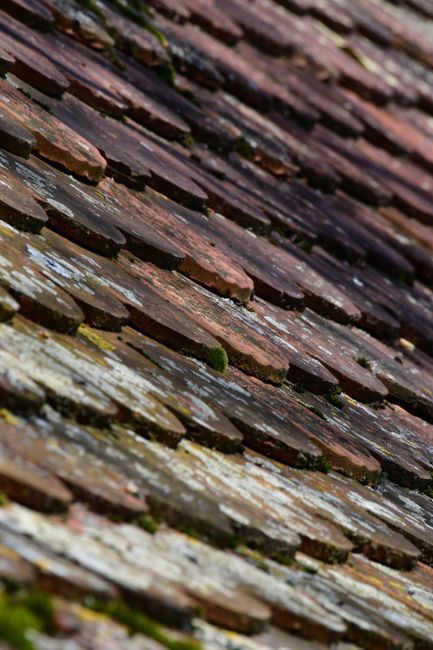
Traditionally, ridge tiles were bedded on mortar. Over decades that mortar dries out, shrinks, and cracks, and eventually bits start to crumble away.
Weather speeds it up. Frost gets into a hairline crack, freezes, expands, and prises it wider, and the London mix of damp and temperature swings is hard on old pointing.
Once mortar fails, tiles can shift or lift in the wind. On an exposed ridge three storeys up in an area like Acton or Ealing, a loose ridge tile is both a leak risk and a safety worry.
3. The trouble moss causes along the top
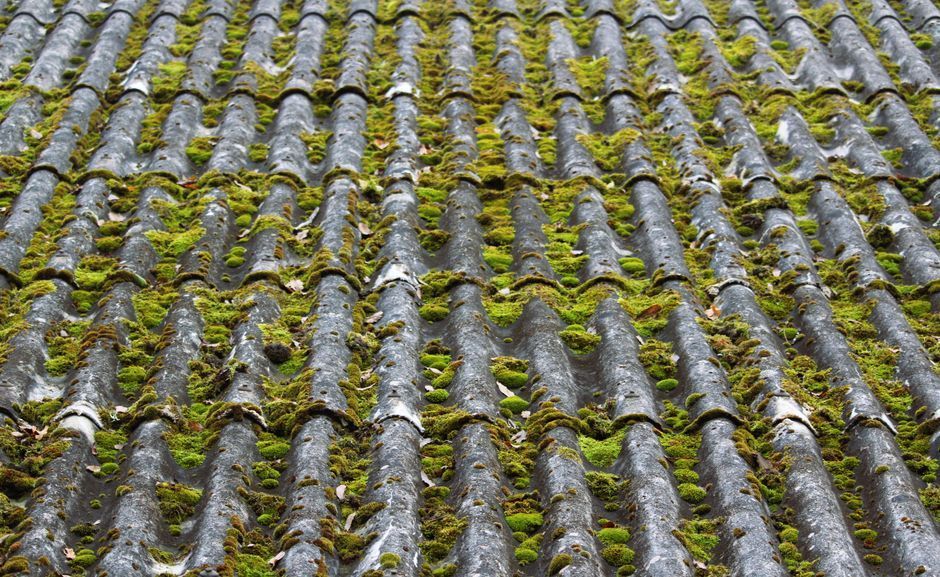
Moss loves the mortar joints along a ridge. It creeps into the gaps, holds moisture against the mortar, and slowly helps break it down.
It also hides what's underneath. A thick green line along the ridge can conceal cracked mortar or a slipped cap tile until the problem is well advanced.
That's why clearing the growth matters beyond just looks. Once the ridge is clean, you can actually see the state of the mortar and catch a small issue early.
4. Cleaning around ridges without causing damage
The ridge is the last place you'd want to attack with high pressure. A strong jet can blow out already-weak mortar and leave tiles sitting loose.
Soft washing is the sensible approach. Low pressure and biocide lift the moss without hammering fragile joints, and the growth dies back at the root instead of quickly returning.
Careful hands make the difference on older bedding. The point is to clean the moss away while leaving sound mortar exactly where it belongs.
5. What tends to turn up on West London period roofs
Once the moss is gone, the ridge tells a story. You often find patches of missing mortar, a cap tile that's drifted out of line, or a hairline crack you'd never see from the ground.
These are exactly the details worth knowing about. A gap in the ridge mortar is a direct route for water into the roof space below.
Think of the grand old villas around Bedford Park, with their decorative tile-hung gables and long, proud rooflines. Those roofs are beautiful, and they reward a careful eye along every ridge and hip.
6. When a clean isn't the whole answer
Cleaning reveals the truth, but it can't rebuild crumbled mortar. If the bedding has largely gone, the ridge needs more than a wash to be sound again.
Our work is roof cleaning, moss removal, and gutter cleaning, so the honest step is to flag what we see. If a ridge clearly needs re-bedding or repair, you'll know about it.
Knowing early is the whole point. A small mortar problem spotted during a clean is far cheaper to sort than a leak that's been quietly soaking your loft for a winter.
- Ridge and hips: these capped lines seal the joints at the top and corners of your roof.
- Old mortar: decades of frost and damp crack and crumble traditional bedding.
- Moss hides it: green growth conceals loose tiles and failing joints until they worsen.
- Gentle only: soft washing clears the ridge without blowing out weak mortar.
- Spot early: a clean is the perfect moment to catch a small problem up top.
Frequently Asked Questions
What are ridge and hip tiles?
They're the shaped tiles that cap the top line and the diagonal corners of your roof, sealing the joints where the slopes meet.
Why does the mortar keep cracking?
Traditional mortar dries and shrinks over the years, and frost widens every little crack. Old London roofs see plenty of both.
Can moss really damage a ridge?
It holds damp against the mortar and works into the joints, which speeds up the crumbling and hides problems from view.
Do you re-bed loose ridge tiles?
Our work is cleaning, moss removal, and gutters. If we spot mortar that needs re-bedding, we'll point it out so you can act on it.
Is pressure washing safe on old ridges?
No. High pressure can blast out weak mortar. A gentle soft wash clears the moss while leaving sound bedding in place.
Worried about the line along the top of your roof?
Ben's Roof Cleaning covers roof cleaning, moss removal, and gutter cleaning across West London, with over 15 years of experience. Get in touch or call 020 4509 8191
for a free, no-obligation quote.
The ridge line deserves more attention than it usually gets
Those tiles at the very top are the first line of defence against water getting in, and they quietly age while nobody looks. A gentle clean clears the moss and lets you see how the mortar is holding up. On a period West London roof, that early look can save you a much bigger job later.