Cleaning Bedford Park and Edwardian Roofs in West London
If your West London home has red brick, a steep tiled roof, and maybe a gable hung with rows of clay tiles, you are living with a piece of architectural history. The Edwardian and Queen Anne homes of Chiswick, Ealing, and Bedford Park were built to be looked at, and their roofs are a big part of the charm. They also need cleaning with real care.
These are not ordinary roofs, and they should not be cleaned like ordinary ones. The clay is old, decorative, and easy to ruin with the wrong approach. Here is what makes West London's heritage tiling special, and how to keep it clean without stripping away a hundred years of character.
The quick answer: The clay tiles on West London's Edwardian and Bedford Park homes are porous with age and often decorative, so they must be soft washed at low pressure. High-pressure jets crack them, strip the surface, and force water behind tile-hung walls. Gentle cleaning clears the moss and keeps the character intact.
1. West London's love of decorative tile
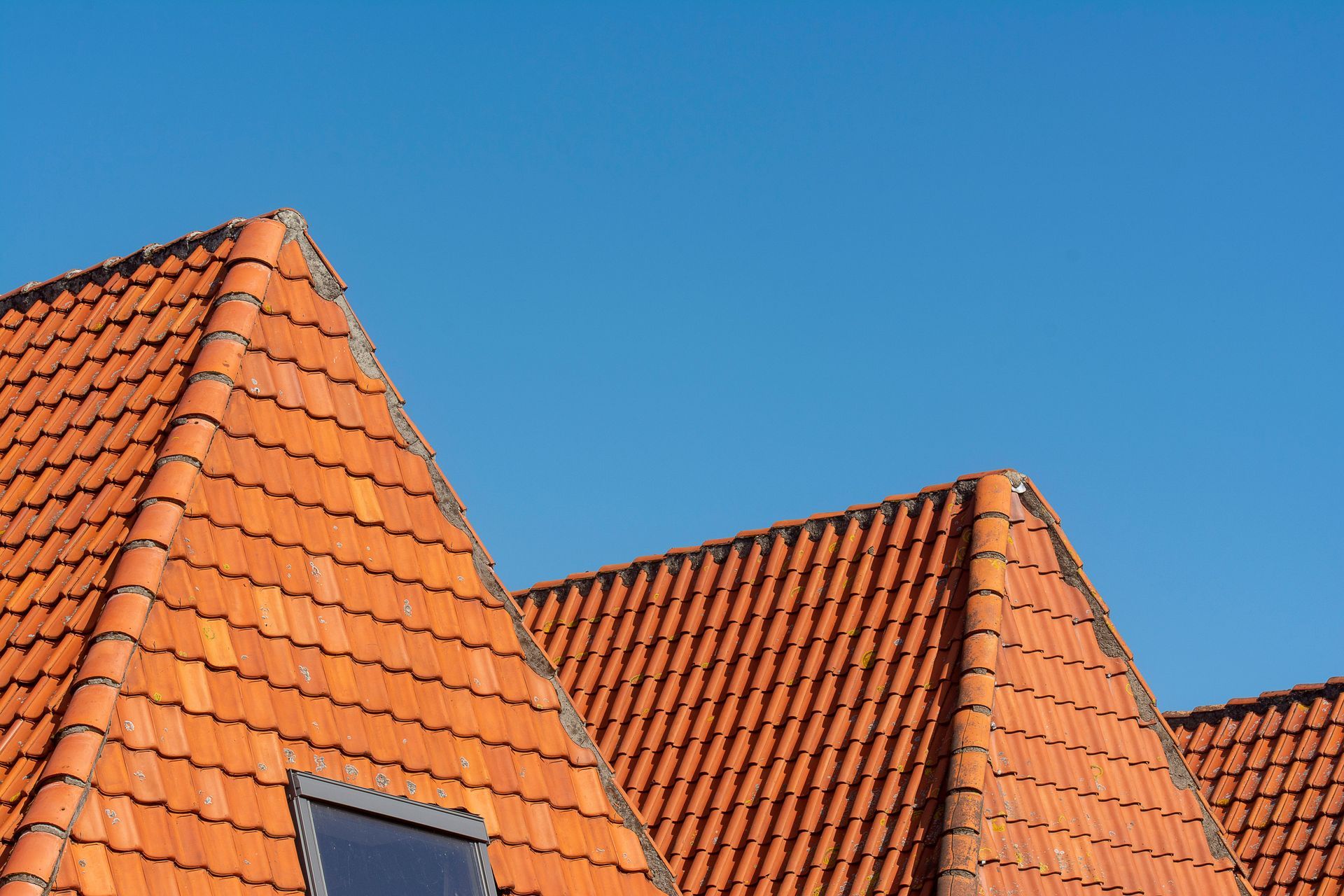
Walk around Bedford Park or the older streets of Ealing and you will see clay everywhere. Not just on the roofs, but hung down gables and upper walls in neat overlapping rows, cut into fish-scale and scalloped patterns. It is one of the things that makes these streets look so different from the flat brick terraces elsewhere in London.
All that decorative clay was a deliberate choice. The builders wanted homes that felt warm, crafted, and rooted in an older English style. More than a century on, the tiles are still doing their job, but they have aged, and age changes how you have to treat them.
2. Bedford Park, where the garden suburb began
Bedford Park, on the Chiswick and Acton border, is often called the world's first garden suburb. Built from the late 1870s with architects including Norman Shaw, it set the Queen Anne Revival style that spread across West London: red brick, white woodwork, steep roofs, and tile-hung details.
That heritage comes with responsibility. Much of Bedford Park is a conservation area, and many homes are listed, so what you do to the roof and tiling matters beyond your own house. A clean that removes moss without altering the tiles is the sort of low-impact care these homes were meant to have.
3. What tile hanging is and how it weathers
Tile hanging is exactly what it sounds like. Clay tiles fixed to the vertical face of a wall or gable, overlapping like roof tiles, to throw off rain and add decoration. It is a traditional detail West London builders used freely.
Those hung tiles weather like roof tiles, just more slowly since rain runs off them faster. But the sheltered, shaded ones, tucked under eaves or on a north wall, hold damp and grow moss and lichen in the joints. And because they sit against the wall, forcing water behind them with a pressure washer is a genuine risk to what lies underneath.
4. Why these tiles grow moss and lichen
West London is leafy and, near the river, damp, which suits moss and lichen nicely. On an old clay roof the growth takes hold in the shaded slopes and the tile laps, softening the crisp look these homes were built for.
Lichen is especially common on the older, more porous tiles, showing up as crusty grey and yellow patches. A light bloom is part of an old roof's character and does little harm. Thick moss is the real problem, holding water against the clay, blocking the flow into the gutters, and creeping under the laps as it grows.
5. The wrong way to clean decorative tile
Someone will always offer to pressure wash a mossy heritage roof cheaply and quickly. On decorative Edwardian clay, that is close to vandalism.
The jet strips the aged surface off the tiles, leaving them porous and dull. It cracks the thinner ornamental tiles outright. On tile-hung walls it drives water behind the tiles and into the structure. And the moss returns faster on the roughened surface, so you pay for the damage twice. There is no version of pressure washing that suits these homes.
6. Caring for a heritage tiled home
The right approach is patient and gentle. A soft wash uses low-pressure spray and a biocide treatment that kills the moss and lichen at the root, then lets the weather rinse it away over the following weeks. Nothing gets forced, nothing gets stripped, and the aged colour stays where it belongs.
Alongside that, keeping the gutters and valleys clear stops water backing up onto the tiles, and a look over the ridge and hips catches any slipped tiles early. On a listed or conservation-area home, it is worth checking what is allowed before anything beyond a straightforward clean. Treated with respect, these roofs go on looking right for generations.
Signs a West London heritage roof needs attention:
- Thick moss in the tile laps or valleys: holding water against decorative clay.
- Crusty lichen spreading across the slopes: common on old porous tiles and worth clearing if heavy.
- Slipped or cracked ornamental tiles: old fixings failing on roof or hung walls.
- Green staining down a tile-hung gable: a shaded face staying damp and growing algae.
- Debris and grit collecting in the gutters: the tile surface breaking down with age.
Frequently Asked Questions
Are the tiles on my Bedford Park home really that fragile?
Older decorative clay is more brittle than modern tile and its surface has worn, so it damages easily under pressure. It cleans up well with a gentle soft wash, which is why that is the only method to use on these roofs.
Can tile-hung walls be cleaned too?
Yes, with the same low-pressure approach used on the roof. The key is never to force water behind the hung tiles, which a pressure washer does and soft washing does not.
Do I need permission to clean a roof in a conservation area?
Cleaning that just removes moss and keeps the original tiles usually does not. Anything that changes the roof's appearance, like recoating or replacing tiles, might, so check if you are unsure, especially on a listed home.
Should I remove all the lichen?
Not necessarily. Light lichen is part of an old roof's character and does little harm. Heavy growth that traps water is worth clearing. A good cleaner will tell you which you have.
How often should a heritage roof be cleaned?
Every few years for the moss, depending on shade and tree cover, with a yearly gutter clear. Shaded, riverside, or tree-covered homes will need it more often than open ones.
Own a period home in Chiswick, Ealing or Bedford Park?
Ben's Roof Cleaning cleans heritage and Edwardian roofs carefully across West London, with over 15 years of experience. Get in touch or call 020 4509 8191
for a free, no-obligation quote.
Keeping the craft in West London's roofs
The tiled roofs and hung gables of West London were built by people who cared how a house looked, and they are worth the same care today. The moss and lichen will always come, drawn by the shade and the damp river air. Clear it gently, keep the water moving, and leave the aged colour alone, and these roofs keep the character that makes their streets some of the loveliest in London.